CompactLogix Communication Modules

News

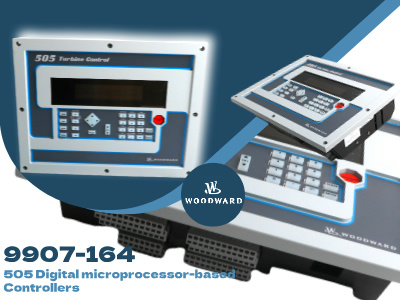
  • Exploring the Woodward 9907-164 505 Digital Microprocessor-Based Controllers: Features, Benefits, and Applications
    Exploring the Woodward 9907-164 505 Digital Microprocessor-Based Controllers: Features, Benefits, and Applications
    November 18, 2024

    What is the Woodward 9907-164 505 Digital Microprocessor-Based Controller? The Woodward 9907-164 505 Digital Microprocessor-Based Controller is a state-of-the-art control system specifically designed for steam turbine applications. Engineered for precise control over turbine functions, this versatile unit provides operators with the ability to manage turbine speed and valve actuation with unparalleled accuracy. But what makes the 9907-164 stand out among similar controllers? Let’s take a deeper look at its technical specifications, key features, and benefits. Key Features and Specifications of the Woodward 9907-164 Controller The 9907-164 controller is packed with advanced features that make it a go-to solution for industrial turbine control. Some of its most notable specifications and capabilities include: Compact Design: With dimensions of 14W x 11H x 4D inches, the unit is compact and space-efficient, making it easy to integrate into existing control systems. Display and Interface: It features a clear two-line x 24-character display, making it easy to read system status and configure settings. Additionally, the 30 multi-function keypad allows operators to make adjustments on-site without the need for complex programming. Durability: Designed for robust performance, the unit has an IEC 60529 rating of IP 56, meaning it is protected from dust and water exposure, ideal for harsh industrial environments. Wide Temperature Range: The 9907-164 is built to operate in extreme conditions with a temperature range from -4°F to +140°F, ensuring reliability across a variety of climates. Communication and Protocols: The unit comes with an RS-232/RS-422 slot for Modbus communication, enabling seamless integration with other control systems and automation networks. These specifications make the 9907-164 an ideal choice for steam turbine control, offering precision, reliability, and ease of integration. Advanced Control Capabilities One of the standout features of the Woodward 9907-164 is its advanced control functionality. This microprocessor-based controller is designed to handle multiple critical tasks, enhancing the performance and safety of steam turbine systems. Key control features include: Critical Speed Avoidance: This feature prevents the turbine from operating at speeds that could potentially damage the equipment or create unsafe conditions. Valve Limiters: The controller includes automatic valve limiting to ensure that turbines operate within safe operational limits, reducing the risk of equipment malfunction. Auto Start Sequence: The 9907-164 automates the turbine start-up sequence, ensuring smooth operation from the moment the system is powered up. First-Out Indicator for Shutdowns: In the event of a shutdown, the system includes a first-out indicator that helps identify the root cause of the problem, enabling faster troubleshooting and minimal downtime. These control capabilities enhance the overall reliability and performance of the turbine syst...

    Read More
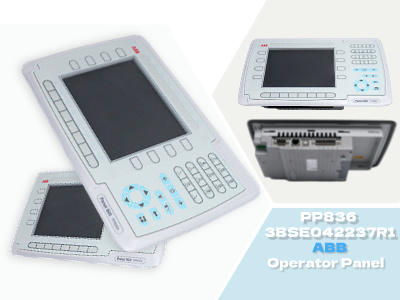
  • Unlocking the Power of the ABB PP836 Operator Panel: A Game-Changer in Process Automation
    Unlocking the Power of the ABB PP836 Operator Panel: A Game-Changer in Process Automation
    November 15, 2024

    Introduction to the ABB PP836 Operator Panel In the world of industrial automation, the right interface can make all the difference. The ABB PP836 Operator Panel, part of ABB's Panel 800 series, offers operators a sleek, high-performance solution for managing complex processes with ease. Whether you're dealing with intricate machinery or overseeing large-scale operations, the PP836 is designed to enhance user experience while providing all the tools needed for efficient control. Let's dive deeper into what makes this operator panel a standout choice for industries around the globe. Key Features of the ABB PP836 Operator Panel The ABB PP836 Operator Panel is not just another touch-screen display—it's a powerhouse built to support high-level industrial operations. One of its most notable features is the 6.5-inch TFT display with a resolution of 640x480 pixels, ensuring sharp visuals and easy readability. This panel is designed for dynamic, fast-paced environments where clear, quick decision-making is crucial. Here are some of its key features: High-Resolution Display: Clear and vibrant graphics that make it easy to monitor processes at a glance. Compact and Durable: Small enough to integrate seamlessly into various systems while still offering top-tier performance. Touchscreen Interface: Simplifies navigation, allowing operators to quickly access controls and settings. Versatile Connectivity: Designed to work in a variety of settings, making it a flexible choice for industrial automation. Ergonomic Design and Enhanced Usability The ergonomic design of the ABB PP836 is one of its strongest selling points. ABB has prioritized user comfort and ease of use, ensuring that operators can work efficiently without unnecessary strain. The intuitive layout of the panel makes it easy to navigate through the system, reducing the time it takes to train new users and increasing overall productivity. This design focus allows operators to focus on what truly matters—managing processes effectively. The carefully designed touch interface is responsive, minimizing the risk of operator error, while the panel’s compact size ensures it doesn’t take up unnecessary space in your control room or machine setup. Advanced Functionality for Seamless Control At the heart of the ABB PP836 is its ability to offer advanced functionalities that enhance process and equipment control. The touchscreen interface is both responsive and user-friendly, offering quick access to key commands and settings. Operators can easily monitor equipment performance, adjust parameters, and make real-time decisions that keep systems running smoothly. Here are some of the functional capabilities that make the PP836 an ideal solution for process management: Customizable Control Options: Tailor your controls to meet the specific needs of your system. Real-Time Monitoring: Stay updated on system status and performance with instant visual feedback. Efficient Command Execution: Quickly navigate through comple...

    Read More
  • Understanding the ABB NDBU-95C 3AFE64008366: A Comprehensive Guide
    Understanding the ABB NDBU-95C 3AFE64008366: A Comprehensive Guide
    November 14, 2024

    Overview of the ABB NDBU-95C 3AFE64008366 Model The ABB NDBU-95C, also known by its model type 6398 5350 B, is a sophisticated DDCS (Drive and Diagnostic Communication System) Branching Unit designed for reliable communication in industrial applications. Manufactured by ABB, a leader in industrial automation and power solutions, this device is part of ABB’s Drives series and plays a crucial role in ensuring seamless fiber optic communication across various systems. The NDBU-95C is specifically engineered for applications requiring robust data transmission with minimal interference. Equipped with a fiber optic, 9-channel configuration, the device provides high-speed, noise-free data transfer, making it a popular choice in high-demand industrial environments where precision and efficiency are paramount. Key Features of the ABB NDBU-95C 3AFE64008366 The NDBU-95C model from ABB offers several noteworthy features that make it a valuable component for complex industrial networks. Here’s a look at what sets it apart: Nine Channels for Fiber Optic Communication: The NDBU-95C features nine distinct channels that allow for enhanced communication capabilities. Fiber optic technology minimizes electromagnetic interference, providing consistent data transmission quality even in challenging environments. Compact Design: With dimensions of 4.0" x 2.0" x 11.0" (10.2 cm x 5.1 cm x 27.9 cm), the NDBU-95C is compact and space-efficient, allowing for easier installation in tight spaces within industrial systems. Lightweight Build: Weighing approximately 1 lb 9 oz (0.7 kg), this device is lightweight yet durable, designed for easy handling and efficient integration into ABB’s Drive systems. Applications and Uses of the ABB NDBU-95C DDCS Branching Unit The NDBU-95C is widely used in industries where efficient communication and diagnostic control are essential. Some typical applications include: Automation Systems: The NDBU-95C plays a pivotal role in ABB’s automation systems, where seamless communication between components is crucial. Its fiber optic capabilities ensure minimal data loss and optimal performance. Industrial Drives: As part of ABB’s Drives lineup, the NDBU-95C is commonly integrated into drive systems, providing reliable, interference-free data channels that support precise motor control and diagnostics. Power Generation and Distribution: In power plants and distribution systems, this branching unit facilitates real-time monitoring and communication, essential for maintaining system stability and performance. Technical Specifications and Build Quality Understanding the technical specifications of the ABB NDBU-95C is essential for industrial users looking to integrate this device into their systems: Fiber Optic Technology: The NDBU-95C’s fiber optic communication channels ensure minimal interference and enhanced data integrity, making it ideal for sensitive and critical operations. Rugged Construction: Designed to withstand the demands of industrial envi...

    Read More
  • Understanding the ICS Triplex T9110 Processor Module: Key Features and Benefits
    Understanding the ICS Triplex T9110 Processor Module: Key Features and Benefits
    November 13, 2024

    What is the ICS Triplex T9110 Processor Module? The ICS Triplex T9110 Processor Module is a critical component in modern industrial control systems (ICS), designed to ensure uninterrupted operations even under challenging conditions. Its main function is to provide high reliability and resilience, which is essential in environments where power loss or system disruptions could lead to costly downtime. Equipped with a backup battery, the T9110 processor module ensures that key system functions, such as the Real-Time Clock (RTC) and volatile memory, remain intact, even during power outages. Key Features of the ICS Triplex T9110 Processor Module Advanced Power Loss Protection The T9110 processor module is designed to protect against power disruptions by using its integrated backup battery. This feature helps maintain essential functions during unexpected power losses. Here are some of the core features that make the T9110 a valuable asset: Real-Time Clock (RTC) Support: The backup battery ensures the RTC continues functioning even when the main power supply is interrupted. This is crucial for time-sensitive operations. Preserving Retained Variables: The processor module stores critical application data in volatile memory, which is maintained during power outages. Upon power restoration, the system resumes operations without loss of information or significant delays. Diagnostic Log Storage: Diagnostic logs are kept intact through the backup battery, which helps with troubleshooting and system diagnostics after a power failure. These features combine to provide a level of reliability that is essential in industrial applications where downtime must be minimized. How the Backup Battery Supports System Integrity The backup battery plays a vital role in ensuring the integrity of the T9110 Processor Module during power outages. Here's how the battery supports critical operations: Real-Time Clock (RTC): Even during power loss, the backup battery keeps the system’s clock running, ensuring accurate time tracking. Retained Variables: The module ensures that essential application data, such as user settings and system parameters, are saved and can be retrieved upon restoration of power. Diagnostic Logs: By maintaining system logs during power outages, the processor helps identify issues and allows engineers to diagnose and resolve problems without losing valuable data. This level of support is especially important in sectors like energy, manufacturing, and critical infrastructure, where any interruption can have serious consequences. Battery Life and Maintenance Considerations Understanding Battery Lifespan The lifespan of the T9110 Processor Module's backup battery is influenced by several factors, including temperature, humidity, and system usage: Under Constant Power: The battery can last up to 10 years if the processor module is continuously powered. When Unpowered: In instances where the processor is not in use, the b...

    Read More
  • ABB PM866AK01 Processor Unit: An Overview
    ABB PM866AK01 Processor Unit: An Overview
    November 12, 2024

    Introduction to the ABB PM866AK01 Processor Unit The ABB PM866AK01 Processor Unit (also known by the article number 3BSE076939R1) is a powerful and versatile CPU designed for industrial automation systems. Ideal for control applications, this processor unit ensures high-speed performance, reliability, and robust connectivity for modern control systems. Let’s dive deeper into its specifications, features, and benefits that make it an essential component in automation networks. Key Specifications of the ABB PM866AK01 Processor Unit The PM866AK01 Processor Unit is built to meet the demanding requirements of industrial environments. It features a clock frequency of 133 MHz, ensuring fast data processing and real-time control capabilities. The unit supports 64 MB of memory, with 51.389 MB of RAM available for application, allowing for efficient operation in complex systems. Performance Metrics: Clock Frequency: 133 MHz Performance: Handles 1000 boolean operations in 0.09 ms RAM for Application: 51.389 MB This performance level enables the processor to handle real-time data efficiently, ensuring smooth system operation even in high-demand applications. Connectivity and Expansion Options One of the standout features of the PM866AK01 Processor Unit is its extensive communication and connectivity capabilities. The processor includes two RJ45 Ethernet ports for seamless integration into the Control Network. Additionally, it provides two RJ45 serial ports, offering both RS-232C modem control and isolated connections for configuration tools. Communication Ports: Ethernet Ports: 2 x RJ45 (CN1, CN2) Serial Ports: 2 x RJ45 (COM3, COM4) with RS-232C and isolated port for configuration tools These communication options ensure flexibility and high compatibility with other components in industrial automation systems. Key Features and Benefits of the ABB PM866AK01 Processor Unit The PM866AK01 is designed with a number of key features that enhance its reliability and performance. These include: ISA Secure Certification: Ensures secure communication and data integrity. Modularity: The processor unit can be expanded step-by-step, allowing for future growth of your control system. Reliability: Simple fault diagnosis procedures make troubleshooting efficient. IP20 Class Protection: Offers protection against dust and other contaminants without requiring additional enclosures. EMC Certification: Fully certified for electromagnetic compatibility to ensure smooth operation in various industrial environments. Redundant Ethernet Communication Ports: This processor unit also includes redundant Ethernet communication ports, ensuring continuous and secure communication for critical applications where downtime is not an option. Simplified Installation and Fault Diagnosis The PM866AK01 Processor Unit is designed for ease of installation and maintenance. With its unique slide & lock mechanism, the unit can be easily mounted and detached from DIN rails. Additionally, the unit inc...

    Read More
  • An In-Depth Look at the Triconex 3805E Analog Output Module for Industrial Applications
    An In-Depth Look at the Triconex 3805E Analog Output Module for Industrial Applications
    November 08, 2024

    Overview of the Triconex 3805E Analog Output Module The Triconex 3805E Analog Output Module is a key component in industrial automation systems, designed to provide reliable and precise analog outputs. Manufactured by Triconex, this module is built to support applications that require high accuracy, durability, and adaptability, making it ideal for critical process control in various industrial settings. In this article, we’ll delve into the features and capabilities of the 3805E, examining its technical specifications and unique functionalities that make it a standout option for complex automation needs. Key Features and Specifications of the Triconex 3805E The Triconex 3805E is known for its high reliability and exceptional output accuracy. Here are some of the critical specifications: Product Type: Analog Output Module Output Current Range: 4-20 mA, with a +6% overrange capability, extending the output range to ensure adaptability in varied operational conditions. Number of Output Points: The module has 8 output points, allowing it to manage multiple control tasks simultaneously within a single system. These specifications highlight the 3805E's ability to maintain precision and consistency, essential for environments where even minor errors can lead to significant operational impacts. Advantages of TMR Technology in the 3805E The Triconex 3805E Analog Output Module utilizes Triple Modular Redundancy (TMR) technology, a fault-tolerant architecture that enhances system reliability and availability. TMR works by replicating each component in triplicate, allowing the system to continue functioning smoothly even if one component fails. Enhanced Safety: TMR architecture ensures that even in the event of a component failure, the system will continue to operate without compromising performance. Rapid Response to Failures: The module can detect leg failures within 10 milliseconds, ensuring minimal disruption in the output signal, which is essential for continuous process control. This combination of reliability and speed makes the Triconex 3805E a powerful choice for environments requiring rigorous safety standards. Performance and Accuracy: Output Resolution and Precision The Triconex 3805E provides 12-bit resolution, giving it the ability to produce highly accurate analog outputs. Additionally, the module's output accuracy is impressive, staying within 0.25% of full-scale range (FSR), specifically for currents in the 4-20 mA range, from 32° to 140° F (0° to 60° C). High-Resolution Outputs: The 12-bit resolution translates to smoother, more precise control over analog signals, an important factor in processes that require fine adjustments. Temperature Stability: The accuracy remains consistent across a wide temperature range, ensuring that environmental fluctuations do not affect performance. This level of precision ensures that the Triconex 3805E can reliably maintain control in critical processes, making it suitable for applications in industries li...

    Read More
  • Comprehensive Guide to the Vibro-Meter M600 MPC4 Machinery Protection Card
    Comprehensive Guide to the Vibro-Meter M600 MPC4 Machinery Protection Card
    November 07, 2024

    Introduction to the MPC4 Machinery Protection Card The Vibro-Meter M600 MPC4, developed by Meggitt, is a crucial component within the VM600 machinery protection system, renowned for its reliability in monitoring and safeguarding machinery health. Designed to measure a variety of dynamic signals, the MPC4 card can detect key metrics essential for maintaining smooth and efficient equipment operation. This article delves into the features, functionality, and applications of the MPC4, a versatile tool in the machinery protection ecosystem. Key Features of the MPC4 Card The MPC4 machinery protection card is the heart of the VM600 series protection system. This card can manage up to four dynamic signal inputs and two speed inputs at the same time, making it ideal for industries where machine condition monitoring is critical. Noteworthy features of the MPC4 include: Multifunctional Measurement: Capable of analyzing multiple parameters such as acceleration, velocity, and displacement. Advanced Digital Processing: Equipped with digital filtering, integration, differentiation, rectification, and gap measurement, the MPC4 provides highly accurate insights. Programmable Inputs: Allows full programmability of dynamic inputs to suit a range of monitoring requirements. With its robust features, the MPC4 card empowers operators to keep a close eye on machinery conditions, minimizing the risk of unexpected failures. Dynamic Signal Inputs and Capabilities The MPC4 card’s dynamic signal inputs can handle a wide range of signal types and measurement capabilities, such as vibration, thrust, eccentricity, and housing expansion. Here’s a closer look at what the inputs can manage: Number of Inputs: Supports four dynamic signal inputs per card. DC and AC Ranges: The card can handle DC signals from 0 to ±20 V and AC signals up to ±10 V, offering flexibility for various signal types. Current and Voltage Compatibility: With a DC current input range of up to 25 mA and AC signals capped at ±8 mA, the MPC4 supports multiple machinery types and configurations. Frequency Range: Handles frequencies from DC to 60 kHz, providing a broad spectrum for effective vibration monitoring and other dynamic signal analyses. The MPC4's versatility in signal management makes it an invaluable component in detecting early signs of machinery wear or failure. Advanced Digital Processing Techniques Digital processing is a core strength of the MPC4, enabling it to provide accurate and precise readings. The processing features include: Digital Filtering: Ensures that the signal is clean and free from interference. Rectification: Supports RMS, mean value, true peak, and true peak-to-peak rectification to enhance data reliability. Order Tracking: Tracks both amplitude and phase of the monitored signals, giving a comprehensive view of machinery performance. Gap Measurement: Monitors the distance between sensor and target, essential for assessing alignment and detecting misalignment issues. These process...

    Read More
  • The ABB 3HNM00148-01 Servo Motor: Features, Specifications, and Applications
    The ABB 3HNM00148-01 Servo Motor: Features, Specifications, and Applications
    November 06, 2024

    Introduction to ABB Servo Motors Servo motors play a critical role in industries requiring precise motion control, and ABB is a leading manufacturer in this field. The ABB 3HNM00148-01 is one of their high-performance servo motors, designed to deliver exceptional accuracy and reliability. Whether used in robotics, automation, or other motion-driven applications, this motor stands out for its features and versatility. Key Features of the ABB 3HNM00148-01 Servo Motor The ABB 3HNM00148-01 is a robust, high-performance servo motor specifically crafted to meet the demands of modern industrial automation. Here are some of its standout features: 4-Bolt Flange: Ensures a secure and stable connection, providing flexibility for mounting in various setups. Dual Connection with Feedback: Offers enhanced precision and real-time control over the motor's movement, which is crucial in robotics and other automated systems. Lightweight Design: Weighing only 9kg, it offers an excellent balance between power and weight, reducing the overall load on mechanical systems while ensuring effective performance. Optimized for Robotics: The servo motor is well-suited for robotic applications, where precision, reliability, and speed are crucial. Applications of the ABB 3HNM00148-01 Servo Motor The ABB 3HNM00148-01 is primarily used in robot systems and industrial automation where high precision and fast response times are essential. Some of its most common applications include: Robotics: The motor’s precise feedback system allows for smooth and accurate robotic movements. CNC Machines: For applications that require exact motion control, this servo motor ensures fine-tuned operations. Automated Assembly Lines: Ensures fast and efficient production with minimal downtime and maximum precision. Benefits of Using ABB 3HNM00148-01 Servo Motor Integrating the ABB 3HNM00148-01 servo motor into your systems can bring several advantages: Increased Precision: With its dual feedback connection, the motor provides real-time position and speed feedback, ensuring optimal performance. Reliability: Known for its durability, the 3HNM motor is built to perform consistently even under demanding conditions. Efficient Operation: Its compact and lightweight design minimizes energy consumption while maximizing output efficiency. Why Choose ABB for Servo Motors? ABB has long been recognized as a leader in the industrial automation sector. With a reputation for quality, innovation, and support, ABB's servo motors like the 3HNM00148-01 are engineered to meet the highest standards. Here’s why you should consider ABB: Global Expertise: ABB has decades of experience in providing automation solutions worldwide. Cutting-Edge Technology: The company consistently develops innovative products that push the boundaries of motion control. Exceptional Support: ABB provides extensive customer support to ensure the successful integration and maintenance of their products. Conclusion The ABB 3HNM00148-01 servo motor ...

    Read More
1 ... 22 23 24 25 26 ... 31
A total of  31  pages

News & Blogs

  • Where Nature Meets Teamwork: An Evening Trek on Xiamen’s Mountain-Sea Health Trail 01/12

    2025

    Where Nature Meets Teamwork: An Evening Trek on Xiamen’s Mountain-Sea Health Trail
    A Trail Between Two Worlds As the city’s afternoon buzz began to soften, our team set off onto Xiamen’s remarkable Mountain-Sea Health Trail. This isn’t your average urban walkway; it’s an elevated masterpiece weaving through lush hills and offering glimpses of the serene sea. The trail’s genius lies in its design—a smooth, accessible path that floats above the treetops, connecting vibrant urban life with tranquil natural beauty seamlessly. Stepping onto the winding wooden boardwalk, the concrete jungle faded behind us, replaced by a green canopy and the fresh, salty breeze hinting at the ocean nearby. It felt like stepping into a different dimension, one perfectly positioned between earth and sky, city and nature, setting a magical stage for our shared adventure. Golden Hour and Shared Strides We timed our hike perfectly with the approaching evening. As the sun began its descent, a warm, golden light filtered through the leaves, painting the trail in long, dramatic shadows. The pace was relaxed, allowing for effortless conversation and shared laughter that echoed lightly in the open air. Without the challenges of rough terrain, the focus shifted entirely to companionship and the unfolding scenery. We walked in small, ever-changing groups, discussing everything from weekend plans to awe over the engineering of the trail itself. The effortless walk fostered a natural, unforced camaraderie, strengthening bonds with every shared observation and joke. The Spectacle of Sunset from the Skywalk The trail’s elevated sections provided front-row seats to one of nature’s finest daily performances. As we reached one of the broader viewing platforms, the sky transformed. The sun, a fiery orange orb, dipped towards the horizon, setting the clouds ablaze with shades of pink, purple, and gold. Below, the city and the sea started to twinkle with early lights. We paused as a group, a silent consensus forming to soak in this magnificent view. Cameras clicked, but mostly, people just watched, sharing quiet smiles. This collective moment of wonder—standing together high above the city, watching day turn to dusk—was the undeniable highlight of our trek. Nature’s Details and Playful Discoveries Beyond the grand vistas, the trail offered smaller, delightful discoveries. We noticed intricate spiderwebs glinting in the oblique light, listened to the evening chorus of birds settling in, and spotted colorful flowers clinging to the hillsides. The journey was punctuated with playful moments: spotting distant islands, trying to identify landmarks in the cityscape below, and even encountering friendly local walkers and their pets. The beautifully designed trail, with its gentle curves and occasional artistic installations, made every turn interesting. It was a reminder that adventure doesn’t require rugged climbs; it can be found in curiosity and shared observation. Twilight Return and Reflective Conversations As twilight deepened into a velvety blue, we began our return. The ...
    All News
  • How the Honeywell CC-PUIO31 Module Boosts Your DCS Efficiency 26/11

    2025

    How the Honeywell CC-PUIO31 Module Boosts Your DCS Efficiency
    Introduction to the Honeywell CC-PUIO31 Module In contemporary industrial automation, maintaining an effective Distributed Control System is crucial for operational excellence. The Honeywell CC-PUIO31 Universal Input/Output Module functions as a pivotal interconnection component within Honeywell's automation framework. This unit facilitates uninterrupted data transfer between field instruments and your main control infrastructure. For engineers requiring technical documents such as the Honeywell CC-PUIO31 manual or CC-PUIO31 datasheet, or those sourcing a dependable DCS module supplier, comprehending this module's functionalities is essential for control system optimization. What is the Honeywell CC-PUIO31 and How Does It Work? The Honeywell CC-PUIO31 operates as an adaptive signal processing unit that manages both continuous and discrete signals within automation environments. It establishes connections with various field instruments—including measurement sensors, regulatory devices, and final control elements—forming a crucial data conduit. When implemented in architectures like the Honeywell C300, this component converts physical process parameters into usable information for automated control sequences. The Honeywell PUIO series is particularly designed to preserve signal accuracy in electrically challenging industrial conditions, proving advantageous for essential applications where control consistency and measurement precision are vital. Why Choose the Honeywell CC-PUIO31 for Your DCS? Selecting the CC-PUIO31 introduces multiple functional benefits to control system operations. Its configurable channel architecture substantially decreases inventory requirements for backup components, as identical modules accommodate various signal formats. This adaptability streamlines system design and reduces overall operational expenditures. Additionally, the unit integrates sophisticated monitoring capabilities that can notify personnel about potential circuit abnormalities or signal quality issues before they escalate into process disruptions. For installations operating Honeywell C300 control platforms, the CC-PUIO31 guarantees inherent compatibility and enhanced functionality, establishing a scalable basis for system growth and technology updates. Where Can You Find Honeywell CC-PUIO31 Parts and Support? Acquiring certified components and technical assistance remains vital for sustained system operation. Licensed distributors and specialized industrial automation partners serve as main sources for authentic DCS spare parts. These providers generally offer availability to crucial technical materials, including the CC-PUIO31 datasheet and application notes, together with physical components. While identifying a DCS module supplier, confirm their authorization status to guarantee receipt of legitimate Distributed Control System replacement parts matching original specifications. Reputable suppliers frequently deliver supplementary value via engineering ...
    All News
  • How ABB's CI867AK01 Communication Interface Module Revolutionizes Industrial Networking 19/11

    2025

    How ABB's CI867AK01 Communication Interface Module Revolutionizes Industrial Networking
    Why Select the CI867AK01 Module? Key Features and Benefits The ABB CI867 module delivers exceptional value through its dual-protocol architecture supporting Modbus TCP and Ethernet/IP communications. This versatile interface solution enables seamless connectivity across PLCs, sensor networks, and human-machine interfaces, establishing itself as essential DCS spare parts for system maintenance and expansion projects. Engineers benefit from dual Ethernet ports supporting 10/100 Mbps data transfer alongside IP20 protection for challenging industrial environments. With power consumption maintained below 6 watts, the module provides an energy-conscious solution that reduces operational expenses while ensuring reliable performance in diverse application scenarios. How Does the CI867AK01 Enhance System Integration? Integration within the ABB DCS 800xA framework transforms the ABB CI867 into a powerful connectivity enabler. The module serves as sophisticated Distributed Control System replacement parts, bridging the gap between core control systems and field devices while maintaining continuous data flow. This capability proves particularly valuable in energy generation, manufacturing operations, and chemical processing facilities where uninterrupted communication is non-negotiable. By consolidating protocol translation functions, the CI867AK01 eliminates the need for additional hardware components, resulting in streamlined network architectures and reduced system complexity for operational teams. Technical Specifications: Performance and Reliability Operating on standard 24V DC power, the ABB CI867 maintains operational integrity across temperature ranges from 0°C to +60°C, with storage capabilities extending from -40°C to +85°C. The redundant Ethernet interfaces ensure communication continuity during network disruptions, providing critical failover protection for mission-critical applications. When procuring from authorized DCS module supplier channels, customers receive genuine components meeting original specifications. The module's efficient power design contributes to lower energy consumption profiles, supporting sustainability initiatives while maintaining peak performance levels in demanding industrial settings. Certifications and Global Compliance Standards International certifications including CE and UL markings confirm the ABB CI867 compliance with global safety and quality requirements. These certifications validate adherence to European and North American standards, ensuring safe deployment across international projects. The module's certification portfolio makes it suitable for global operations while maintaining consistent performance benchmarks. As certified Distributed Control System replacement parts, these modules provide assurance of quality and reliability for system integrators managing multi-national installations and requiring standardized components across different geographic regions. Simplified Installation and Documentat...
    All News
  • How the GE IS420PUAAH1A I/O Module Enhances Industrial Automation Systems 12/11

    2025

    How the GE IS420PUAAH1A I/O Module Enhances Industrial Automation Systems
    Introduction to the GE IS420PUAAH1A I/O Module The GE IS420PUAAH1A serves as a fundamental component in industrial automation frameworks, delivering reliable real-time monitoring and control functions for sophisticated industrial systems. This versatile 24VDC input module is specifically designed for smooth implementation across diverse process control module applications. Ranging from power generation automation to various manufacturing operations, the IS420PUAAH1A module proves particularly effective in high-demand scenarios where precision and rapid data processing are essential.Engineered for both resilience and user-friendly operation, this component enables efficient interconnection between field instruments and control systems, guaranteeing accurate signal transmission. Its extensive operational tolerance to temperature and humidity variations ensures dependable functionality across numerous industrial environments. Technical Characteristics and Performance Attributes The ISSU420PUAAH1A module incorporates eight discrete input channels, providing adaptable connectivity solutions for multiple devices within industrial configurations. It achieves swift operational response times under five milliseconds, guaranteeing immediate detection and processing of system parameter changes - a critical requirement for effective industrial automation control. Notable technical attributes encompass: Operational temperature span: -40°F to +158°F Humidity operating range: 5% to 95% non-condensing Input power requirement: 24 V DC Output current capacity: 10 mA Energy usage: 5W Supported communication standards: Modbus and Ethernet Isolation resistance: ≥100 MΩ at 500 V DC Regulatory approvals: CE, UL, RoHS certification These technical characteristics guarantee consistent operational reliability under challenging conditions, ensuring both operational safety and system performance. Operational Economy and Financial Considerations Regarding economic efficiency, the IS420PUAAH1A module provides substantial performance relative to its market positioning. Although the specific IS420PUAAH1A price may vary among different suppliers, it consistently represents an economically viable option for contemporary industrial automation control implementations. The component's modest 5W energy requirement contributes to enhanced power efficiency, enabling enterprises to reduce operational expenditures, particularly in extensive installations requiring uninterrupted data processing and system management.The module maintains excellent operational capabilities despite its competitive pricing, establishing it as a preferred selection for numerous automation and process control module implementations. The optimal balance between economic efficiency, operational excellence, and straightforward implementation methodology represents key factors driving organizational preference for the IS420PUAAH1A across both limited and extensive automation implementations. Practical Implementatio...
    All News
  • Which Industrial Automation Spare Parts Are Critical for Preventing Downtime 05/12

    2025

    Which Industrial Automation Spare Parts Are Critical for Preventing Downtime
    Introduction: The Importance of Reliable Industrial Automation Spare Parts In today's industrial operations, reducing equipment stoppages is crucial for maintaining production output and financial performance. Automated control systems serve as the fundamental framework for contemporary manufacturing, yet they remain prone to performance degradation that can cause unexpected production halts without adequate maintenance protocols. Access to proper replacement components is vital for sustaining continuous system functionality and preventing expensive operational delays. This discussion will identify the most critical industrial automation parts for ensuring system reliability, with particular emphasis on TSI spare parts, Turbine Supervisory Instrumentation components, and TSI modules. Why TSI Spare Parts Are Essential for Preventing Downtime Turbine Supervisory Instrumentation (TSI) installations are critical in energy generation plants, processing facilities, and other industrial settings where turbine performance directly affects operational continuity. These monitoring configurations oversee and manage turbine functions to ensure both optimal performance and safety compliance. Given their strategic importance, employing premium TSI spare parts becomes fundamental for preventing sudden malfunctions that could generate substantial production losses. The range of TSI spare parts encompasses monitoring detectors, processing units, and electrical distribution elements, all constructed to survive challenging industrial circumstances including thermal extremes, mechanical oscillations, and environmental contaminants. Maintaining strategic reserves of these crucial components allows operations to immediately replace failing parts without experiencing lengthy supply chain delays, thus preserving optimal system performance. Acquiring genuine TSI spare parts not only assists in avoiding production interruptions but also prolongs turbine system operational life, consequently decreasing long-term service and repair costs. Key Components of Turbine Supervisory Instrumentation (TSI) Systems Turbine Supervisory Instrumentation arrangements employ numerous interconnected elements to deliver accurate monitoring and regulation of turbine performance. Essential Turbine Supervisory Instrumentation components comprise measurement instruments that track oscillation characteristics, thermal changes, force variations, and other crucial operating indicators. These detection devices demand systematic maintenance and eventual substitution as they undergo progressive performance deterioration, since minor measurement discrepancies can potentially create significant turbine impairment. The TSI modules constitute another vital aspect, serving as the central computing components that analyze detector information and execute turbine regulation instructions. These processing units maintain efficient turbine functioning while allowing instant detection and resolution of operatio...
    All Blogs
  • How GE is Transforming Factory Floors with AI and Robotics: The Future of Industrial Automation 28/11

    2025

    How GE is Transforming Factory Floors with AI and Robotics: The Future of Industrial Automation
    The Power of AI and Robotics in Modern Manufacturing GE is pioneering a new era in industrial automation by combining artificial intelligence with advanced robotics systems. These innovations are turning conventional production facilities into interconnected smart environments that demonstrate unprecedented operational efficiency. Manufacturers implementing these technologies can optimize their workflow processes, achieve superior precision levels, and dramatically reduce production interruptions. The deployment of AI-enhanced robotic systems enables personnel to focus on strategic planning while automated equipment manages repetitive or high-risk operations. Robotic technology proves particularly valuable in performing intricate assembly, packaging, and quality assurance functions with exceptional velocity and uniformity, delivering manufacturers crucial marketplace advantages in today's competitive industrial landscape. Industrial Automation: A Game-Changer for Spare Parts Management Contemporary spare parts management has undergone dramatic transformation through GE's automated platforms that employ artificial intelligence to forecast component replacement needs. This forward-looking maintenance approach enables industrial operations to avoid unexpected machinery failures while maintaining ideal inventory quantities. Using networked monitoring systems and sophisticated data processing, GE's solutions observe equipment performance continuously, producing automatic notifications when parts near their operational limits. This facilitates scheduled acquisition of industrial spare parts before production disruptions can occur, substantially decreasing manufacturing delays and urgent repair costs while ensuring continuous production activities and improved inventory management. The Role of Industrial Automation Parts in GE's Ecosystem Within GE's automation network, industrial automation parts serve as critical elements that guarantee manufacturing procedures run smoothly and effectively. The corporation's extensive product range incorporates accurate sensors, high-performance actuators, advanced controllers, and automated robotic units that cooperate to sustain uninterrupted production cycles. These components are engineered to provide outstanding reliability and longevity under challenging industrial circumstances, while their interoperability with current systems streamlines implementation procedures. Companies that integrate GE's industrial automation parts experience reduced equipment malfunction incidents, prolonged operational availability, and more flexible manufacturing systems that can adjust to evolving production demands. How GE's Robotics Solutions Are Revolutionizing Factory Operations GE's robotic systems are fundamentally reshaping manufacturing plants through the deployment of intelligent automation technologies. Robotic manipulation arms and autonomous transport units work in coordination to enhance manufacturing adaptability and o...
    All Blogs
  • How AI is Revolutionizing Industrial Automation: The Future of Predictive Maintenance 21/11

    2025

    How AI is Revolutionizing Industrial Automation: The Future of Predictive Maintenance
    AI in Industrial Automation: A New Era of Smart Manufacturing Global manufacturers are increasingly turning to cognitive technologies to transform their production ecosystems. Unlike conventional automation, these intelligent solutions interpret complex equipment signatures to enhance operational throughput and foresee maintenance requirements. By constantly analyzing multidimensional sensor streams and behavioral patterns, they identify degradation markers long before visible symptoms emerge, enabling corrective actions during planned production windows. This represents a fundamental transformation from rigid maintenance schedules to adaptive, performance-informed servicing protocols. Sophisticated machine learning models decode intricate equipment interactions that escape traditional monitoring parameters. This preemptive methodology not only circumvents catastrophic failures but also amplifies production yield by sustaining machinery at peak operational states. The convergence of data analytics and industrial operations is forging a new generation of self-optimizing manufacturing environments. Predictive Maintenance: The Backbone of Modern Industrial Spare Parts Strategy Equipment forecasting solutions are reengineering the fundamental principles of spare parts management. Through continuous assessment of asset health indicators and comparative failure analytics, these platforms determine replacement windows with remarkable accuracy. This paradigm shift moves organizations from disruptive emergency interventions to strategically timed component rotations. Enterprises implementing these intelligent systems achieve unprecedented synchronization between maintenance needs and parts availability. They maintain dynamic inventory profiles that ensure component accessibility while eliminating dormant stock, constructing a responsive spare parts ecosystem that mirrors actual consumption patterns rather than historical projections. Intelligent Procurement: Synchronizing Industrial Automation Parts Supply with Demand Production facilities are attaining unprecedented equipment availability through cognitive procurement mechanisms. These systems evaluate machinery vitality metrics and autonomously initiate supply chain activities at optimal intervention points, creating perfect harmony between maintenance schedules and parts replenishment cycles. The fusion of equipment surveillance and supply chain intelligence enables significant reduction in inventory carrying costs while guaranteeing operational continuity. This sophisticated alignment minimizes capital allocation to spare parts reservoirs while ensuring critical industrial automation parts remain accessible during essential maintenance events. Transforming Spare Parts Management Through AI-Driven Inventory Optimization Cognitive computing is revolutionizing inventory management through prescriptive analytics capabilities. These advanced platforms process multiple variables—including equipment utilizat...
    All Blogs
  • Why Automation Spare Parts Are Becoming the Key to Uninterrupted Industrial Operations 14/11

    2025

    Why Automation Spare Parts Are Becoming the Key to Uninterrupted Industrial Operations
    Why Spare Parts Are Crucial for Industrial Automation The advancement of industrial automation has positioned spare components as fundamental elements for sustaining manufacturing workflows. Contemporary production systems—encompassing robotic cells, sensing apparatus, and control modules—incorporate numerous mechanical and electronic elements susceptible to operational wear. Maintaining strategic component reserves allows for immediate replacement of failing parts, thereby preserving manufacturing continuity and preventing expensive production gaps. Minimizing Downtime Through Efficient Spare Parts Management Operational disruptions present substantial financial and logistical challenges for manufacturing enterprises. Developing critical component stockpiles supported by anticipatory maintenance protocols dramatically decreases production stoppage likelihood. Equipment monitoring solutions utilizing performance analytics provide early degradation indicators, facilitating preemptive component procurement and eliminating unscheduled manufacturing interruptions. How Spare Parts Management Can Lower Operational Costs While component inventories require capital commitment, their strategic administration delivers notable economic advantages over extended periods. Systematic inventory organization combined with scheduled replacement initiatives prevents costly emergency acquisitions. This methodology reduces severe equipment malfunctions, decreases restoration expenses, and prolongs machinery operational lifespan, collectively strengthening financial performance. The Digital Revolution in Spare Parts Procurement Component acquisition processes have undergone radical transformation through technological innovation. Digital inventory management solutions enable perpetual stock surveillance and automated supply chain interactions. Diagnostic systems processing equipment performance metrics generate preliminary malfunction alerts, allowing advance component sourcing and substantially improving production system reliability. Ensuring Quality and Compatibility with Automation Parts Component performance standards and technical alignment remain crucial considerations in automated system maintenance. Non-certified or improperly matched parts frequently initiate operational disruptions and secondary damage. Collaborating with accredited vendors supplying verified components specifically configured for target equipment ensures peak operational performance and eliminates integration complications. Conclusion Comprehensive spare parts administration serves as the cornerstone of effective automated manufacturing. Through integrated inventory methodologies, anticipatory maintenance systems, and validated component sourcing, organizations achieve superior equipment utilization, controlled operational expenditures, and extended capital asset viability. A robust spare parts framework transcends conventional maintenance to become an essential contributor to manufacturin...
    All Blogs
leave a message
If you are interested in our products and want to know more details,please leave a message here,we will reply you as soon as we can.
submit

Our hours

Mon 11/21 - Wed 11/23: 9 AM - 8 PM
Thu 11/24: closed - Happy Thanksgiving!
Fri 11/25: 8 AM - 10 PM
Sat 11/26 - Sun 11/27: 10 AM - 9 PM
(all hours are Eastern Time)
Contact Us:+86 18030235313

Home

Products

whatsApp

Contact Us